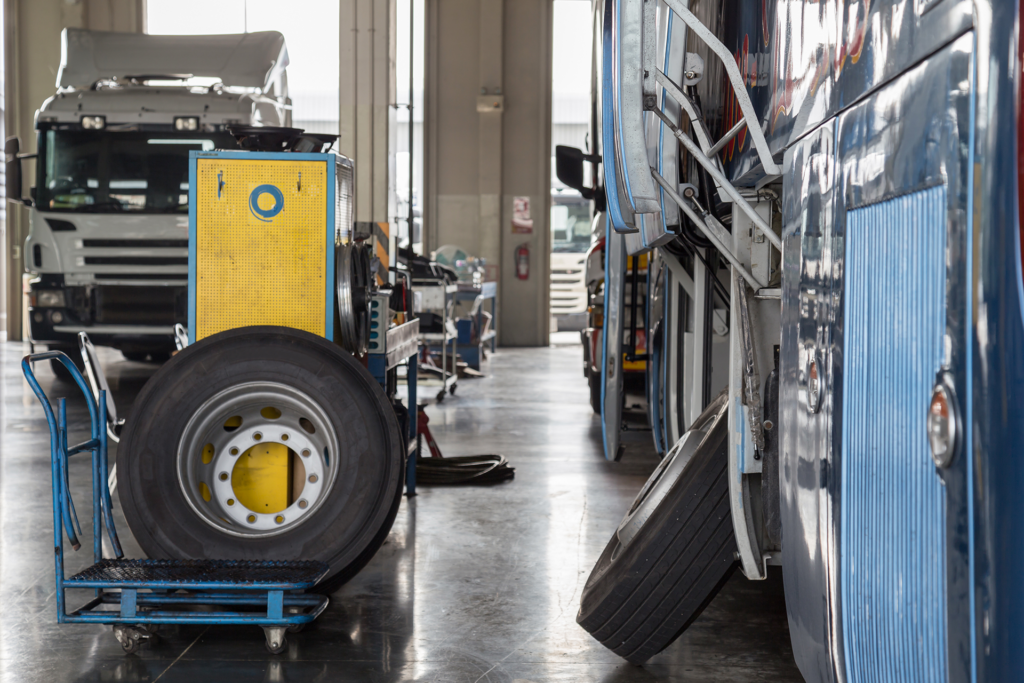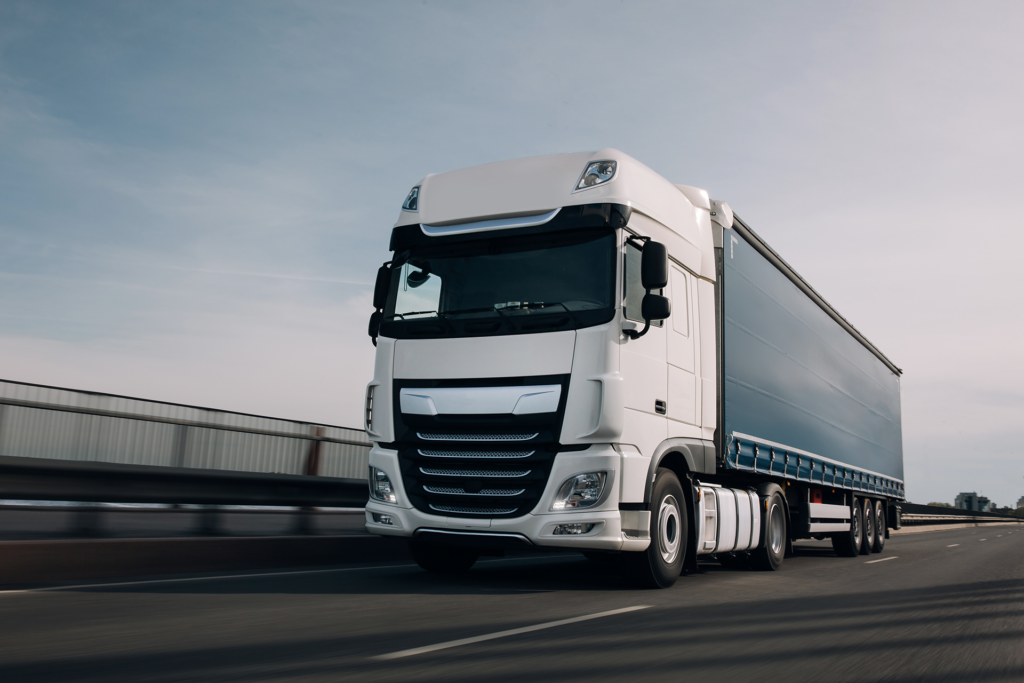
Keeping commercial vehicles on the road is a top priority for fleet operators, transit agencies, municipalities, and heavy-duty repair shops. Every hour a truck or bus spends in the workshop represents lost productivity and increased operating costs. Choosing the right lifting system is therefore a strategic investment that directly impacts maintenance efficiency, technician safety, and overall profitability. Whether servicing delivery trucks, refuse vehicles, coaches, school buses, or construction equipment, choosing among big truck lift requires understanding the unique demands of heavy-duty maintenance.
Why heavy-duty vehicle lifts matter
Unlike passenger cars, heavy-duty vehicles require lifting systems capable of handling significant loads while providing safe and comfortable access to every maintenance area. Routine inspections, brake servicing, suspension work, drivetrain repairs, tire replacement, and preventive maintenance all become easier when technicians can work at an ergonomic height. Modern lifting systems also reduce physical strain, improve productivity, and help workshops meet increasingly demanding maintenance schedules.

Different fleets have different needs
Not every fleet operates the same type of vehicle. Public transportation operators maintain buses with long wheelbases. Logistics companies manage tractors, straight trucks, and trailers. Utility companies operate specialized service vehicles equipped with cranes or heavy equipment. Municipal fleets often include refuse trucks, fire apparatus, and emergency response vehicles.
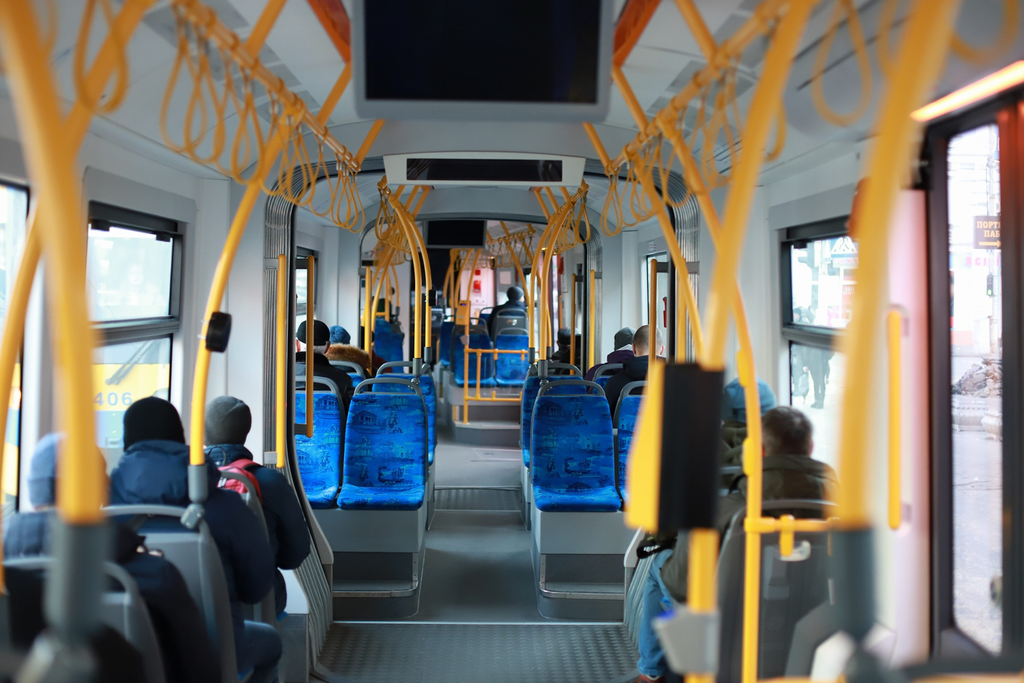
For transit operators, lifting equipment affects more than workshop convenience. Discover how a bus lift can become a fleet availability tool by accelerating maintenance and helping vehicles return to service sooner.
Because of this diversity, workshops benefit from lifting systems that offer flexibility and can adapt to multiple vehicle configurations. For mixed fleets, mobile truck lifts are particularly well suited because they can be positioned according to the wheelbase and vehicle dimensions.
Mobile column lifts: the flexible solution
Among today’s heavy-duty lifting technologies, column truck lifts have become one of the most popular solutions. Instead of relying on a fixed platform, individual lifting columns are positioned at each wheel. The synchronized lifting system raises the entire vehicle safely while leaving the underside completely accessible.
This design offers several advantages:
- Adaptable to various wheelbases and vehicle sizes
- Easy to reposition throughout the workshop
- Excellent access for suspension, brake, transmission, and axle repairs
- Scalable lifting capacity by adding additional columns
- Minimal workshop modifications compared to fixed lifting systems
For fleet maintenance facilities that regularly service different vehicle types, this flexibility is a significant operational advantage.
Do you have a question about our mobile column truck lifts?
Safety comes first
Safety is one of the most important considerations when selecting a heavy-duty vehicle lift. Professional lifting systems incorporate multiple safety mechanisms, including synchronized lifting control, automatic mechanical locking systems, overload protection, emergency stop functions, and continuous monitoring of lifting operations.
Reliable synchronization ensures that every lifting column moves at exactly the same speed, maintaining perfect vehicle stability throughout the lifting process. For technicians working beneath vehicles weighing tens of thousands of pounds, these safety features are essential.
Productivity drives profitability
Workshop productivity depends on more than technician experience. The right lifting equipment reduces setup time, improves vehicle accessibility, and allows maintenance operations to begin more quickly. Faster positioning means less downtime between jobs and higher workshop throughput.
Mobile lifting systems also allow several work bays to remain flexible. Instead of dedicating permanent space to a fixed lift installation, technicians can move the columns wherever they are needed. This versatility maximizes available floor space while increasing operational efficiency.
Supporting preventive maintenance programs
Fleet operators increasingly rely on preventive maintenance to reduce unexpected breakdowns and extend vehicle life. Scheduled inspections become significantly more efficient when technicians have unrestricted access to critical components. Fluids, steering systems, brakes, suspension components, electrical systems, and driveline assemblies can all be inspected more thoroughly.
Better accessibility also encourages more comprehensive inspections, helping identify minor issues before they develop into costly repairs. Ultimately, effective maintenance programs improve vehicle availability and reduce total operating costs.
Built for modern fleet workshops
Today’s maintenance facilities demand equipment that integrates seamlessly into modern operations. Advanced lifting systems may include wireless communication between columns, intuitive touchscreen controls, programmable lifting configurations, and diagnostic monitoring. These technologies simplify daily operation while improving reliability and minimizing maintenance requirements.
Energy efficiency, reduced maintenance costs, and long service life also contribute to a lower total cost of ownership throughout the equipment’s lifecycle. As fleets continue to grow and vehicle technology evolves, investing in future-ready lifting solutions becomes increasingly important.
Why SEFAC heavy-duty lifts stand out
For more than four decades, SEFAC has specialized in designing and manufacturing heavy-duty lifting systems trusted by fleet operators, transit authorities, OEMs, military organizations, and commercial repair facilities around the world.
SEFAC mobile column lifts are engineered to deliver exceptional lifting capacity, precision synchronization, and maximum safety while remaining highly adaptable to a wide variety of heavy-duty vehicles. Their modular design allows workshops to service everything from medium-duty trucks to articulated buses and specialized commercial equipment.
Designed for demanding environments, SEFAC lifting solutions combine robust engineering with advanced technology to improve workshop productivity, technician safety, and operational efficiency.
Choosing the right lift for your fleet
Every fleet has unique maintenance requirements. Vehicle size, maintenance frequency, workshop layout, available floor space, and future fleet expansion should all be considered before selecting a lifting solution. Partnering with an experienced manufacturer ensures that the chosen system matches both current operational needs and long-term growth objectives. For organizations seeking reliable, high-performance lifting equipment, SEFAC provides solutions designed to maximize uptime, enhance workplace safety, and support efficient maintenance operations for fleets of every size.