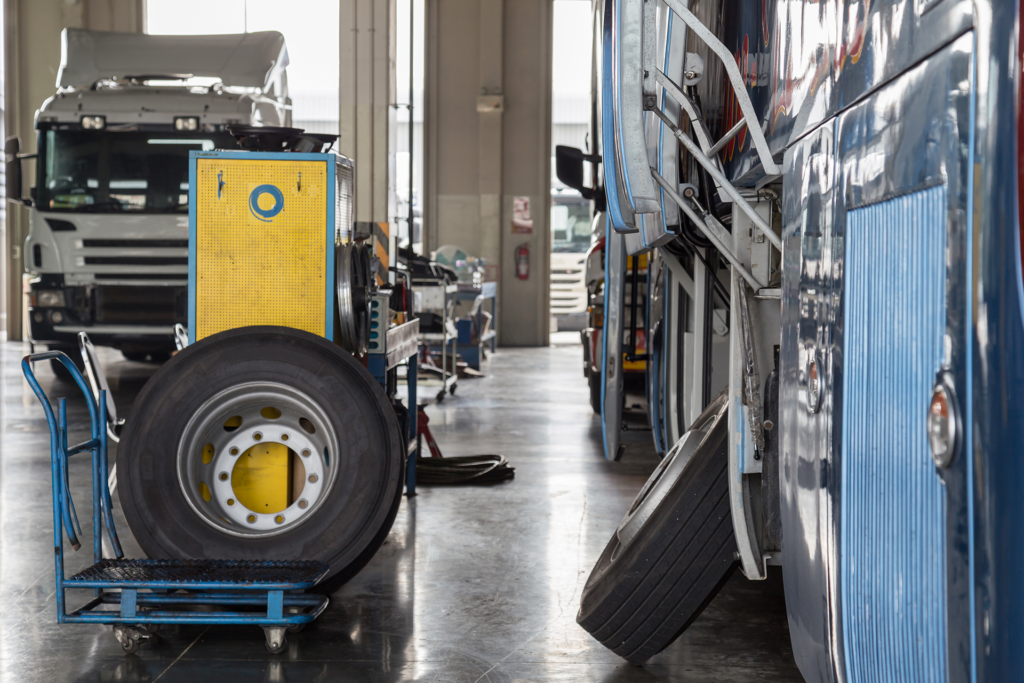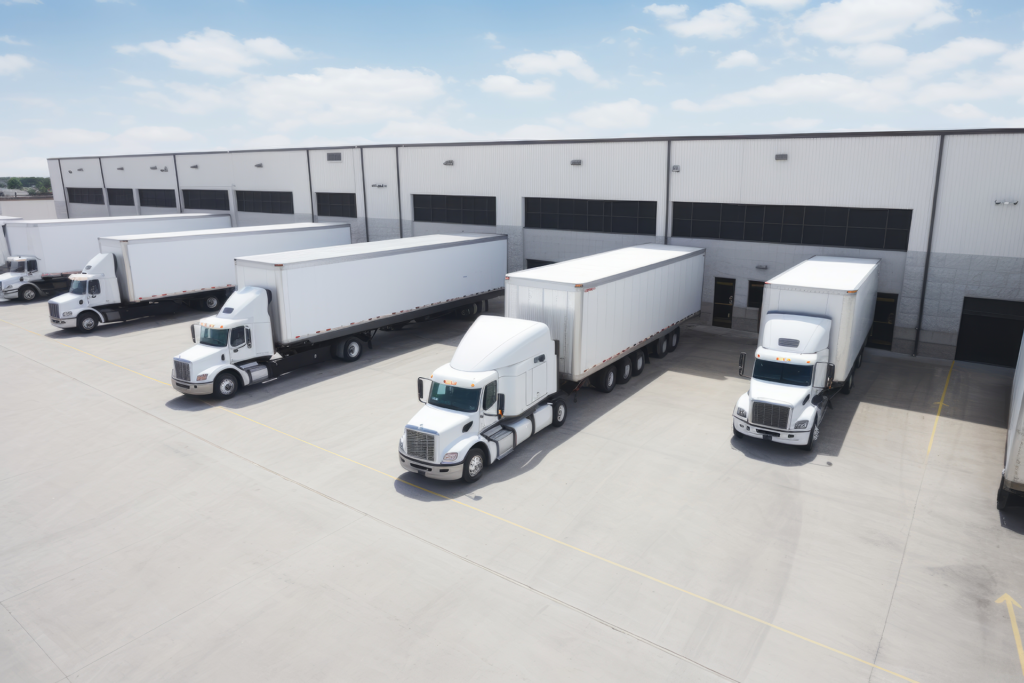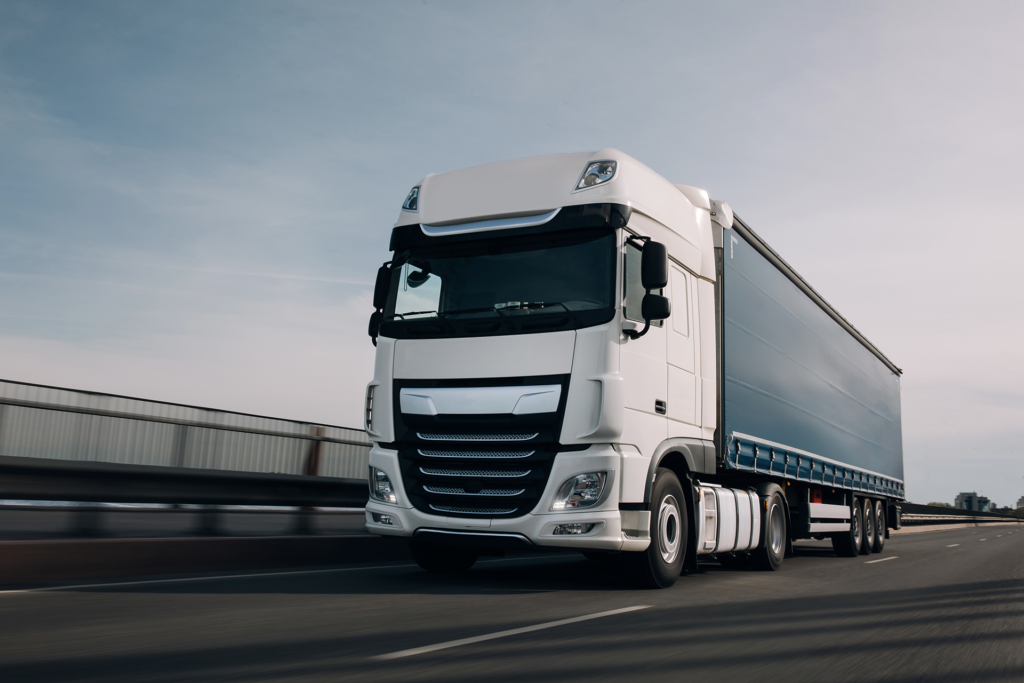
A bus maintenance lift system allows technicians to safely raise heavy vehicles for inspection, maintenance and repair. However, not every lifting solution works the same way. Fleet facilities can use mobile column lifts, fixed lifts, pits and other heavy-duty lifting systems. The best option depends on vehicle size, workshop layout, maintenance operations and the level of flexibility required. For school bus operators, transit agencies and motorcoach fleets, understanding these differences is essential before investing in new shop equipment.

What is a bus maintenance lift system?
A bus maintenance lift is designed to raise all or part of a bus so technicians can access areas that would otherwise be difficult to reach. Typical maintenance operations include brake service, suspension inspection, steering work, driveline maintenance and underbody inspections.
Depending on the equipment, the vehicle may be raised by the wheels, axles or other approved lifting points. Mobile column lifts are one of the most common solutions for heavy-duty vehicle facilities. Individual columns are positioned beside the wheels and synchronized to raise the vehicle together. Because the columns are not permanently installed in the floor, they can often be moved between maintenance bays.
How do mobile column bus lifts work?
A mobile column lift consists of individual lifting units positioned around the vehicle. For a conventional two-axle bus, a four-column configuration may be appropriate. More complex vehicles can require additional columns depending on axle layout and approved lifting procedures. Understanding how column lift technology works can help fleet managers evaluate the most suitable lifting configuration for their maintenance needs.
The columns communicate with one another to keep the vehicle level while it is raised or lowered. SEFAC mobile column systems can operate with two, four, six or eight columns depending on the model and application. Once the bus is raised, technicians have broad access to the underside of the vehicle. Unlike some fixed structures, there is no large platform occupying the center of the maintenance area. This open workspace can make many heavy-duty maintenance tasks easier to perform.
Wired mobile column lifts
Wired mobile columns connect to one another using cables. They are often a practical choice for workshops where buses are serviced in established bays and the lifting system is not moved constantly.
SEFAC’s S2 system, for example, offers 18,000 lb of lifting capacity per column. It can be configured with two, four, six or eight columns and is designed for buses, coaches, heavy-duty trucks and other large vehicles.
The system uses electromechanical screw-and-nut lifting technology rather than hydraulic cylinders. Wired lifts can therefore provide a robust solution for facilities that value straightforward operation and predictable bay layouts.
Keep more buses on the road with a lifting solution designed around your fleet.
Wireless mobile column lifts
Wireless mobile lifts remove the communication cables that would otherwise run between columns. Each column operates with onboard power and communicates with the other units electronically. This can simplify setup and reduce obstacles around the maintenance area. Technicians can also reposition the columns more easily when the workshop layout changes.
Wireless systems are particularly useful in multi-purpose maintenance facilities. A municipal workshop, for example, may service buses, garbage trucks and other heavy-duty vehicles in the same building. SEFAC’s wireless mobile lifts are designed for both indoor and outdoor applications. This makes them useful where permanent lifting infrastructure would reduce operational flexibility.
How are mobile column lifts different from maintenance pits?
A maintenance pit provides permanent access beneath a bus. The vehicle remains at floor level while technicians work from a recessed area beneath it. Pits can be effective in high-volume facilities, but they require significant construction and permanently dedicate part of the shop floor to one function.
Mobile column lifts take a different approach. The vehicle itself is raised above the floor. When the maintenance work is complete, the columns can be moved away and the floor space becomes available for another purpose. This flexibility can be particularly valuable in smaller depots or facilities that service several types of vehicles.
Why lifting capacity is not the only specification that matters
Fleet managers should never select a bus maintenance lift system based only on total vehicle weight. Axle loads can vary significantly. Tire diameter, wheel size, vehicle geometry and approved lifting locations must also be evaluated.
For example, SEFAC’s S2 mobile columns are designed for wheel diameters between 38 and 46 inches. Workshop managers should therefore compare lift specifications directly with the vehicles in the fleet. Future vehicle purchases should also be considered. A lift purchased today may remain in service through several fleet replacement cycles.
Safety and synchronization
Keeping every column synchronized is essential when lifting a large bus. The system must monitor movement and maintain the vehicle in a controlled, level position. Mechanical design also plays an important role. SEFAC’s wired columns use an irreversible screw-and-bronze-nut mechanism. The system prevents uncontrolled lowering without motor operation. SEFAC also incorporates features such as obstacle detection into its S2 design.
Operators should always follow manufacturer instructions, rated capacities and approved lifting procedures. Technician training remains just as important as the equipment itself. Workshop managers should also review applicable workplace safety requirements to ensure that lifting procedures align with relevant safety regulations and industry practices.
How lift systems can improve maintenance workflow
A properly selected lifting system does more than raise a vehicle. It can improve technician access, free workshop floor space and make maintenance scheduling more flexible. For fleet operators, choosing the right bus lifts can also help reduce maintenance downtime and support better vehicle availability.
Mobile columns are especially valuable when one bay must support several vehicle types. Instead of dedicating permanent infrastructure to a single configuration, technicians can reposition the lifting equipment. When the columns are no longer needed, they can be moved away from the working area. This can help maintenance managers use existing square footage more efficiently.
Choosing the right bus maintenance lift system
Start by reviewing the fleet. Document vehicle weights, axle loads, wheel dimensions and the maintenance operations performed most frequently. Then evaluate the workshop itself, including available space, lifting frequency and the need for flexible equipment. For a more application-focused comparison, explore the best bus lifts for school buses, transit fleets and coaches to understand how lifting requirements differ between passenger transport operations.
For facilities maintaining school buses, transit buses and motorcoaches, mobile column systems provide a flexible alternative to permanent infrastructure. SEFAC offers both wired and wireless solutions designed specifically for heavy-duty vehicle maintenance. The right bus maintenance lift system should ultimately support three objectives: safe lifting, efficient technician access and maximum vehicle availability.