Choosing the best bus lifts is not simply a matter of lifting capacity. School buses, transit buses and motorcoaches differ in wheelbase, axle load, tire size and maintenance requirements. Fleet managers therefore need a lifting system that matches both the vehicles and the way technicians work.
For many heavy-duty maintenance facilities, mobile column lifts offer an effective combination of capacity, flexibility and access. They allow technicians to raise an entire bus while keeping the undercarriage accessible for inspection and repair. SEFAC designs mobile column lifting systems specifically for buses, coaches, trucks and other heavy-duty vehicles. Depending on the model, systems can operate in sets of two, four, six or eight columns.

What should you look for in a bus lift?
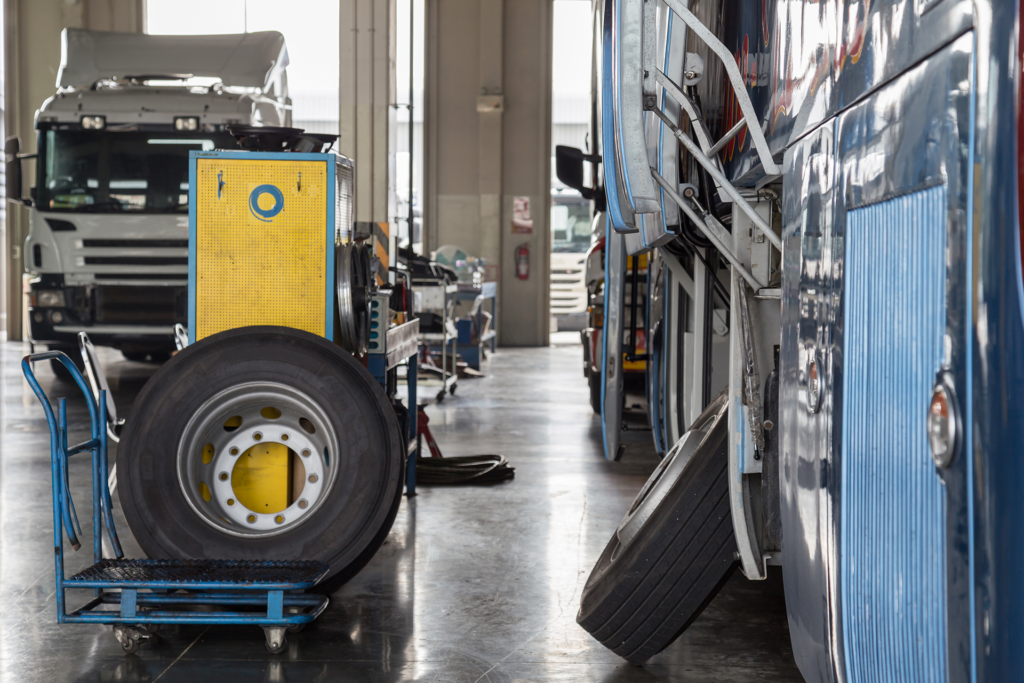
The first consideration is always vehicle compatibility. A bus lift must be selected according to more than gross vehicle weight. Fleet managers should also consider individual axle loads, wheel dimensions, approved lifting points and vehicle configuration. A system that is suitable for one school bus may not automatically suit an articulated transit bus or full-size motorcoach. Understanding the different bus maintenance lift systems can help operators compare lifting technologies before selecting equipment for their fleet.
Copier
Lifting height also matters. Technicians need enough clearance to work comfortably beneath the vehicle during brake, suspension, driveline and underbody maintenance. Finally, consider how the maintenance bay is used. A fixed lift may work well in a dedicated bay. However, a mixed fleet or changing workshop layout may benefit from mobile columns that can be moved and stored when they are not required.
Why mobile column lifts work well for school buses
School bus fleets often operate with highly predictable daily schedules. Maintenance therefore has to be completed efficiently between routes or during planned downtime. Mobile column lifts make it possible to create a lifting bay without installing permanent equipment in the floor. The columns are positioned at the wheels and synchronized to raise the vehicle.
Copier
This configuration provides technicians with open access beneath the bus. Brake inspections, suspension work, tire service and underbody checks can therefore be completed without the restrictions associated with some fixed systems.
Mobility is another advantage. If a maintenance facility services different bus sizes, the columns can be repositioned according to the vehicle being serviced. SEFAC’s S2 wired mobile column lift is rated at 18,000 lb per column and is designed for applications including buses, coaches and heavy-duty trucks. It can operate in configurations of two, four, six or eight columns.
What are the best lifts for transit bus fleets?
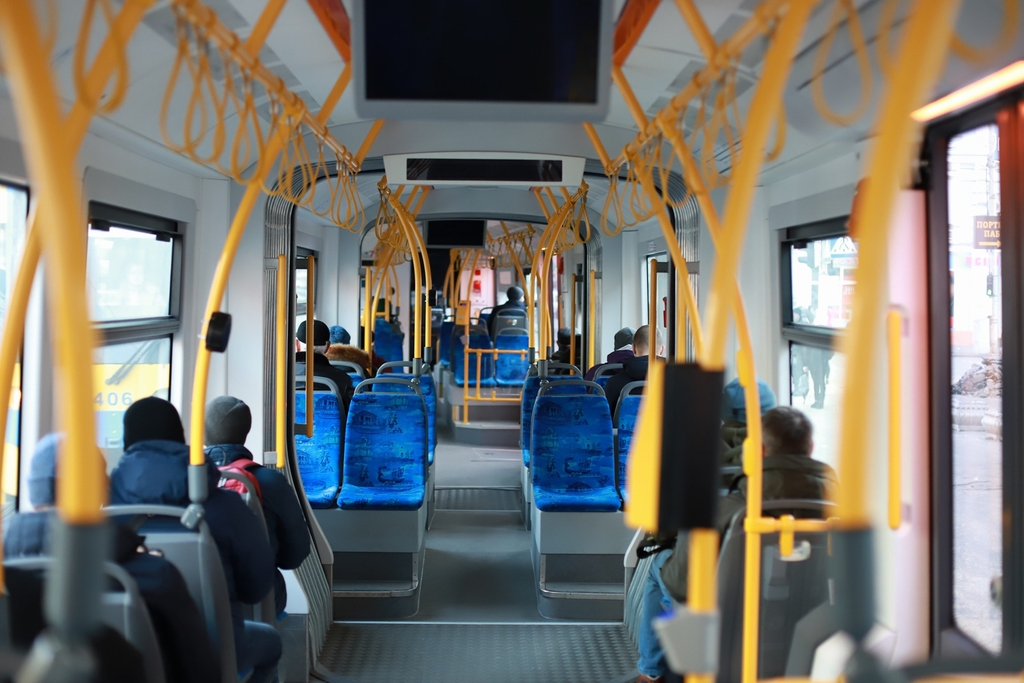
Transit maintenance facilities face a different challenge: high utilization. A city bus may spend most of the day in service, so maintenance teams often work within narrow windows. A lift therefore needs to support efficient vehicle positioning and reliable repeat use.
Mobile column lifts can be especially useful when the depot handles several vehicle types. Columns can be configured around different wheelbases and moved between bays as operational needs change. Wireless systems can add another level of flexibility. With no communication cables running between columns, technicians have fewer obstacles around the vehicle.
SEFAC’s wireless mobile column technology is designed for heavy-duty vehicles and uses synchronized wireless communication between columns. These systems can be used indoors or outdoors, making them useful for facilities that need adaptable maintenance space. For transit agencies operating buses alongside service trucks or municipal vehicles, this versatility can reduce the need for multiple dedicated lifting installations.
What type of lift works best for motorcoaches?
Motorcoaches combine substantial vehicle weight with large body dimensions and demanding maintenance requirements. The best lift must therefore provide sufficient capacity while preserving access to the underside of the coach. Mobile column systems are particularly well suited to this environment because they lift from the wheels while leaving the center of the vehicle largely unobstructed.
This allows technicians to work on braking systems, suspension components, steering systems and other underbody areas. For coach operators with multiple depots, mobility can also be valuable. A portable system can be moved within a facility rather than being permanently assigned to one maintenance bay.
Wired or wireless bus lifts?
Both technologies can work well. Wired mobile column lifts provide a straightforward solution for workshops where the lifting equipment will generally remain within established maintenance bays. Wireless columns are better suited to facilities where flexibility is a priority. They eliminate cables between columns and can simplify vehicle positioning.
Fleet managers should therefore consider how frequently the equipment will be moved. A fixed operating pattern may favor wired systems, while multi-purpose workshops may benefit from wireless technology. The decision should also consider maintenance requirements, available power, workshop layout and fleet composition.
Keep more buses on the road with a lifting solution designed around your fleet.
Why electromechanical lifting matters
The lifting technology itself is another important consideration. SEFAC’s wired mobile columns use an irreversible screw-and-bronze-nut system. Because the mechanical design prevents the forks from descending without motor activation, it provides inherent control of the load. The screw works in tension rather than compression, which also avoids the buckling concerns associated with some hydraulic designs.
Electromechanical systems also avoid hydraulic fluid around the vehicle and maintenance bay. For fleet facilities focused on long-term operating costs, maintenance requirements should therefore be considered alongside purchase price.
How to choose the best bus lift for your fleet
There is no single bus lift that is best for every operation. School districts may prioritize simplicity and predictable daily maintenance, while transit authorities often require maximum flexibility across different bus configurations. Motorcoach operators, on the other hand, may place greater emphasis on capacity and technician access.
The right approach is to start with the fleet itself. Document vehicle weights, axle loads, wheel dimensions and maintenance procedures. Then consider the available bay space and how frequently lifting equipment must be moved.
SEFAC offers wired and wireless mobile column systems for school buses, transit buses, coaches and other heavy-duty vehicles. Choosing the correct configuration allows a maintenance facility to improve technician access while preserving valuable workshop flexibility. A well-selected bus lift is therefore more than a piece of shop equipment. It becomes part of the fleet’s uptime strategy.